
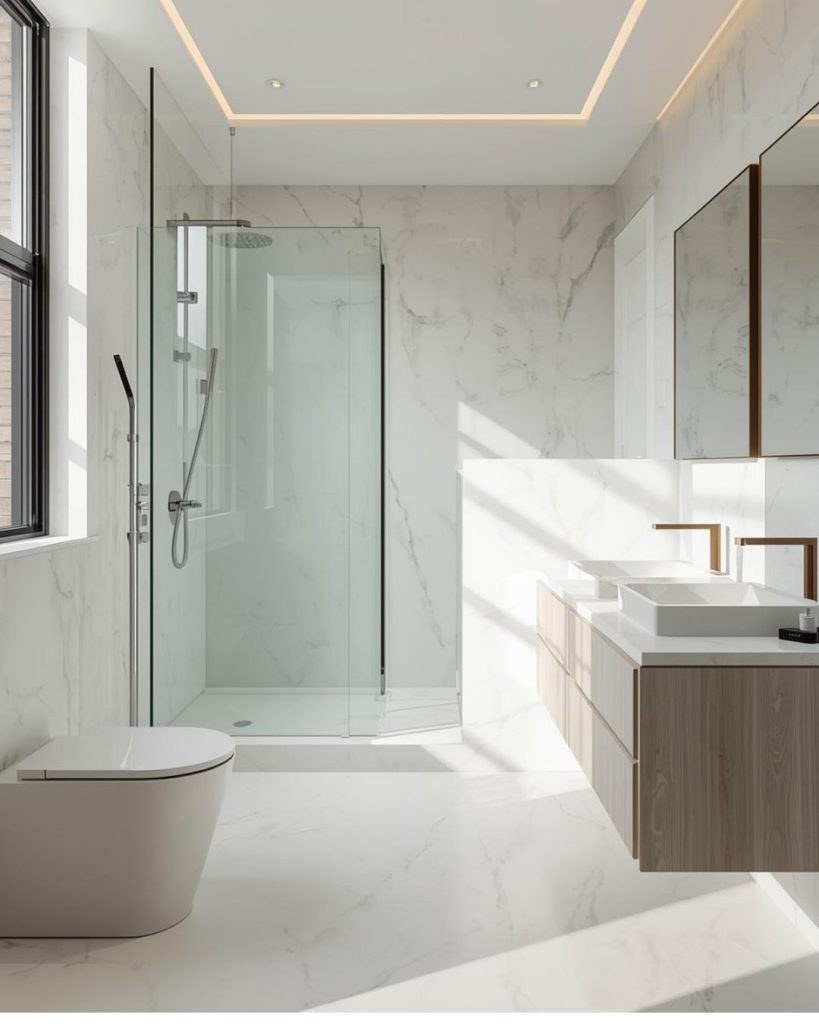
Electric Underfloor Heating Mats Explained | Milton Keynes Electrician’s Guide
Electric underfloor heating mats have quietly become one of the most popular upgrades people make to their Milton Keynes homes, particularly in bathrooms, kitchens, and ensuites. The appeal is obvious — warm floors underfoot without radiators taking up wall space, even heat distribution across the room, and a system that’s relatively straightforward to install compared to wet underfloor heating. But before you commit, it’s worth understanding how they work, what they cost to install and run, and whether they’re the right choice for your property and lifestyle.
This guide covers everything you need to know, from the basics of how electric heating mats operate through to the practical considerations of installation in a typical Milton Keynes home.
How Do Electric Underfloor Heating Mats Work?
An electric underfloor heating mat is a thin cable arranged in a serpentine pattern and fixed to a mesh backing. The mat is laid directly onto the subfloor, covered with tile adhesive or a levelling compound, and then your chosen floor finish goes on top. When the system is switched on, the cable heats up and warms the floor surface evenly across the entire area covered by the mat.
The system is controlled by a thermostat, usually mounted on the wall at a convenient height. Modern thermostats are programmable, allowing you to set schedules so the floor is warm when you need it and off when you don’t. Many now offer WiFi connectivity and app control, so you can adjust the heating from your phone — useful if your routine changes or you want to warm the bathroom before you get home on a cold evening.
The mats themselves are incredibly thin, typically around 3 to 4 millimetres including the cable, which means they add virtually no height to your floor build-up. This is a significant advantage over wet underfloor heating systems, which require a much thicker screed layer and can raise floor levels by 50 millimetres or more. In renovation projects where door thresholds and step heights are already fixed, electric mats slot in without creating problems.
Which Rooms Suit Electric Underfloor Heating?
Electric heating mats work best in smaller to medium-sized rooms with hard floor finishes. Bathrooms are by far the most common application, and it’s easy to understand why. Nobody enjoys stepping onto cold tiles first thing in the morning, and a heated bathroom floor transforms the experience of using the room. Ensuites, cloakrooms, and utility rooms are equally well suited.
Kitchens are another popular choice, particularly in the open-plan kitchen-diners that are common across Milton Keynes housing developments in areas like Broughton, Brooklands, and Tattenhoe. A heated kitchen floor eliminates the need for a radiator on a wall where you might otherwise fit units or keep a clear run of worktop, and it provides a consistent, comfortable warmth across the whole space.
Hallways and conservatories also work well with electric underfloor heating. Hallways benefit because they’re often tiled and can feel cold, particularly in winter when the front door is opening and closing regularly. Conservatories can be difficult to heat with conventional radiators due to the amount of glazing, and underfloor heating provides a gentle, even warmth that suits the space well.
Where electric mats are less effective is in large, poorly insulated rooms or as the sole heat source in a whole house. They’re designed primarily as a comfort heating system rather than a replacement for your central heating. In a well-insulated modern home — and many of Milton Keynes’ newer developments in areas like Whitehouse Park, Oakgrove, and Fairfield are built to high insulation standards — electric underfloor heating can contribute meaningfully to the room’s overall warmth. In older, less well-insulated properties, it works best as a supplement to your existing heating rather than a replacement.
What Floor Finishes Work With Heating Mats?
Porcelain and ceramic tiles are the ideal partner for electric underfloor heating. They conduct heat efficiently, warm up quickly, and retain heat well. This is why bathrooms and kitchens, where tiles are the natural choice anyway, are the most common rooms for installation.
Natural stone tiles also work well, though thicker stone takes a little longer to warm up and cool down. Engineered wood flooring is compatible with most electric mat systems provided the manufacturer confirms suitability and you stay within the recommended maximum surface temperature, usually around 27 degrees. Laminate flooring can also work but check the specific product’s compatibility, as some laminates don’t tolerate sustained heat well and can warp or delaminate over time.
Carpet is generally not recommended over electric underfloor heating. The insulating properties of carpet and underlay work against you, trapping the heat below and reducing the system’s effectiveness. If you want underfloor heating under carpet, a wet system with higher output is usually the better approach.
Vinyl and luxury vinyl tiles are compatible with electric mats, but again, check the manufacturer’s temperature limits. Most modern LVT products are designed to work with underfloor heating up to 27 degrees, which is more than enough for comfortable warmth.
What Does Installation Involve?
Installing electric underfloor heating mats is a two-trade job. The mats themselves are laid by a tiler or floor fitter as part of the floor preparation. The electrical connection — wiring the mat to the thermostat and the thermostat to your consumer unit — must be carried out by a qualified electrician.
The process starts with preparing the subfloor. It needs to be clean, dry, level, and free of debris. Ideally, an insulation board is laid first. This isn’t strictly mandatory, but it makes a significant difference to performance and running costs. Without insulation underneath, a proportion of the heat generated by the mat travels downward into the subfloor and the structure below rather than upward into the room. A thin insulation board, typically 6 to 10 millimetres thick, reflects the heat upward and improves warm-up times noticeably.
The mat is then rolled out across the floor area, cut and turned at the edges to cover the space. It’s important that the mats don’t overlap, aren’t placed under permanent fixtures like toilets, vanity units, or kitchen islands, and that the cable isn’t cut or shortened. A floor temperature sensor is positioned between two runs of cable and taped in place — this feeds back to the thermostat and prevents the system from overheating.
Once the mat and sensor are in place, the floor finish goes on top. For tiles, the adhesive is applied directly over the mat. For other finishes, a thin levelling compound is poured over the mat first to encapsulate it before the final floor covering is laid.
The electrician then connects the mat’s cold tail cable to the thermostat, installs the thermostat on the wall, and connects it to a dedicated circuit at the consumer unit with appropriate RCD protection. The system is tested before and after installation to confirm the mat hasn’t been damaged during the floor-laying process. This testing is essential — a damaged cable buried under tiles is extremely expensive to fix after the event.
What Does It Cost to Install and Run?
The mats themselves typically cost between £40 and £80 per square metre depending on the brand and output rating. A thermostat adds £50 to £200 depending on whether you choose a basic programmable unit or a smart WiFi thermostat with touchscreen and app control. Electrical connection by a qualified electrician usually costs between £150 and £250 depending on the complexity of the wiring route and whether a new circuit is needed at the consumer unit.
For a typical Milton Keynes bathroom of around four square metres, you’re looking at roughly £400 to £700 for mats, thermostat, and electrical connection, excluding the floor tiles and tiling labour which you’d be paying for anyway. A larger kitchen of ten to fifteen square metres might cost £800 to £1,500 for the heating element of the project.
Running costs depend on how often and how long you use the system. A four square metre bathroom mat running for two hours in the morning and an hour in the evening costs roughly 15 to 25 pence per day at current electricity rates. That’s around £5 to £8 per month during the heating season — considerably less than most people expect. A larger kitchen mat running for longer periods costs more, but smart thermostat scheduling keeps consumption under control by only heating the floor when you actually need it.
Is Electric Underfloor Heating Right for Your Home?
For bathrooms, ensuites, kitchens, and hallways with hard floor finishes, electric underfloor heating mats are one of the most cost-effective comfort upgrades you can make. They’re slim enough to fit into renovation projects without raising floor levels, relatively affordable to buy and install, and cheap to run when used sensibly with a good thermostat.
If you’re considering electric underfloor heating for your Milton Keynes property, get in touch. We’ll advise on the right system for your room, handle the electrical installation and connection, and make sure everything is tested, certified, and ready to keep your floors warm for years to come.