
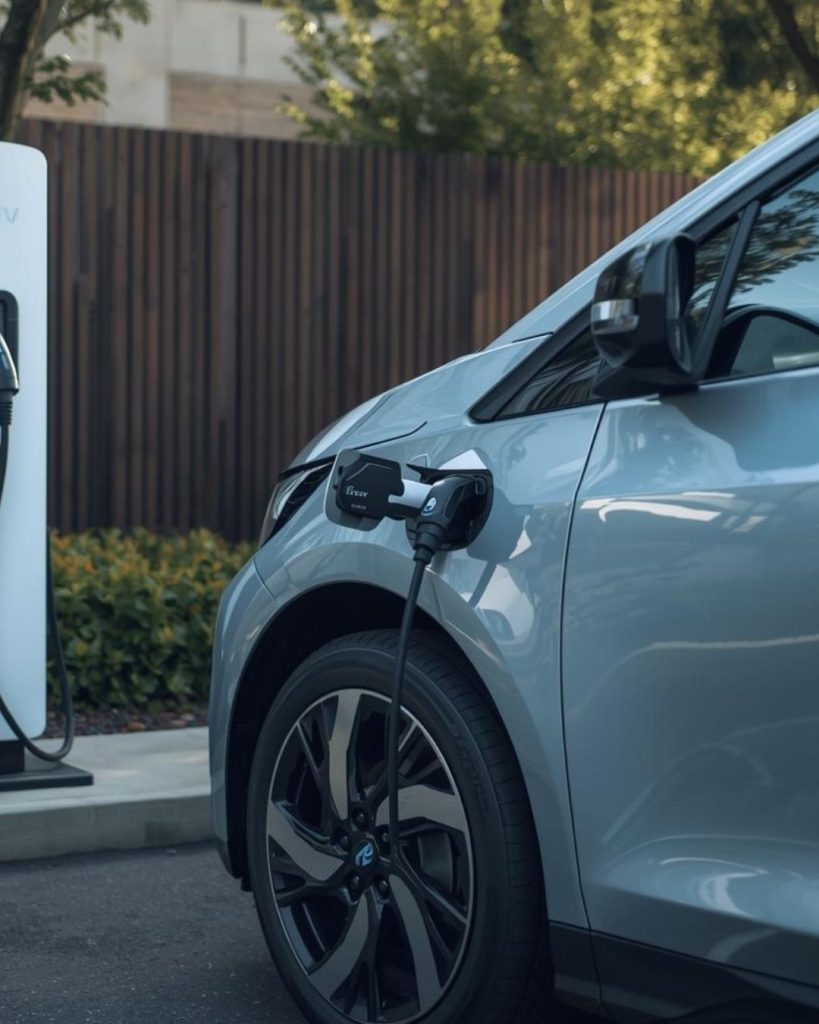
How Much Does an EV Charger Cost to Install in Milton Keynes?
Milton Keynes was designed around the car. The grid road system, the generous parking provision, and the city’s layout mean driving is a fundamental part of daily life for the vast majority of residents. That same infrastructure makes Milton Keynes one of the most practical cities in the UK for electric vehicle ownership — and charging at home rather than relying on the public network is where the real savings and convenience begin.
A dedicated home charger delivers a full overnight charge for most electric vehicles, meaning you wake every morning to a car ready for the day without queuing at a public point, paying premium per-kilowatt rates, or planning your schedule around charger availability. At home electricity rates, a full charge costs £8 to £18 depending on your tariff and battery size. The same charge at a public rapid charger costs £30 to £50. Over a year of typical driving, the difference adds up to hundreds — often over a thousand pounds.
This guide sets out realistic installation costs across Milton Keynes, explains what affects the price, and helps you choose the right charger and specification for your home.
What Does an EV Charger Cost to Buy?
The charger unit itself typically costs between £300 and £900 depending on the brand and features.
The Easee Charge costs around £400 to £500. Compact, well-designed, with app control, scheduling, and load balancing capability if you add a second unit later. One of the most popular choices across the UK for its clean design and straightforward user experience.
The Zappi from Myenergi costs around £650 to £800. Its standout feature is solar compatibility — if you have solar panels or plan to install them, the Zappi detects surplus generation and diverts it into the car rather than exporting to the grid at a fraction of the value. Even without solar, it offers full smart functionality including scheduling, boost modes, and app control.
The Ohme Home Pro costs around £450 to £550. Ohme’s strength is intelligent tariff integration — it connects to your electricity supplier and automatically charges during the cheapest half-hour slots overnight, minimising cost without you setting manual schedules. If you are on an EV-specific tariff like Octopus Go or Intelligent Octopus, the Ohme maximises the savings automatically.
The Pod Point Solo costs around £450 to £600. Straightforward, reliable charging with app control and scheduling. Pod Point has the largest installation network in the UK and a well-established track record. A solid choice for homeowners who want dependable daily charging without the additional complexity of solar integration or advanced tariff optimisation.
All four are 7kW chargers — the standard for single-phase home installations across Milton Keynes. A 7kW unit delivers roughly 25 to 30 miles of range per hour of charging, meaning an overnight charge of seven to eight hours fills most vehicles from empty to full.
What Does Installation Cost?
The installation cost covers the electrical work needed to connect the charger safely to your home’s supply. This is where costs vary depending on your specific property.
A standard installation — where the consumer unit is reasonably close to the charger position, has a spare way available, the earthing is adequate, and the cable run is short and straightforward — typically costs between £300 and £500 for the electrical work. Combined with the charger, total installed cost for a standard Milton Keynes installation falls between £600 and £1,300 depending on brand.
A non-standard installation — where the cable run is longer, the consumer unit needs additional capacity or a spare way adding, the earthing needs modification, or the cable route requires external trunking around the property — typically costs between £500 and £900 for the electrical work. Total installed cost rises to between £800 and £1,700.
A complex installation — where the consumer unit needs replacing entirely to provide capacity, the property has a TT earthing system requiring an earth rod, the cable run exceeds fifteen metres, or structural modifications are needed for cable routing — can cost between £900 and £1,500 for the electrical work. Total installed cost reaches £1,200 to £2,300.
The majority of installations across Milton Keynes fall into the standard or non-standard category. The city’s housing stock — predominantly built from the 1970s onward with modern electrical infrastructure — generally accommodates charger installations more straightforwardly than older properties in surrounding towns.
What Affects the Installation Cost?
Distance from consumer unit to charger is the primary variable. Every metre of cable adds material cost and installation time. Milton Keynes’ grid road estates were designed with generous garage and driveway provision, and many properties have consumer units near the front of the house with driveways directly accessible — making for relatively short cable runs. Properties in Bletchley, Wolverton, and Stony Stratford with older layouts may have longer routes between the board and the parking position.
Consumer unit capacity matters because a 7kW charger draws 32 amps continuously — a significant sustained load. Your board needs a spare way with an appropriately rated RCBO. If the board is full, either a larger board replaces it or a separate isolator and RCBO install adjacent to the existing unit. If the board is very old and lacks modern protection, upgrading it alongside the charger installation makes practical sense.
Earthing arrangements must be confirmed as adequate. Most Milton Keynes properties built during the new town development have TN-C-S or TN-S earthing which works with standard installations. Properties in the surrounding villages — Olney, Woburn Sands, Newport Pagnell — may have TT earthing systems that need the earth rod testing and potentially upgrading to handle the charger’s requirements.
Tethered vs untethered affects the unit cost but not the installation cost. Tethered chargers include a permanently attached cable — you plug directly into the car without retrieving a separate cable. Untethered units have a socket and you use the cable supplied with your vehicle. The electrical work is identical for both. Tethered suits single-vehicle households wanting maximum convenience. Untethered suits households with two different vehicles or those who prefer a cleaner wall-mounted appearance.
Off-Peak Charging and Tariffs
The biggest financial advantage of home charging is scheduling it during off-peak electricity hours. Standard domestic electricity costs around 24 to 28 pence per kilowatt hour. EV-specific tariffs — Octopus Go, Intelligent Octopus, and similar offerings — drop to 7 to 12 pence per kilowatt hour during overnight hours, typically midnight to five in the morning.
At off-peak rates, a full 60kWh charge costs between £4 and £7. Over a year of typical driving — 10,000 miles — the electricity cost on an off-peak tariff is roughly £400 to £600 compared to £1,500 to £2,000 for petrol. The charger pays for itself from fuel savings alone within six to twelve months.
Every smart charger listed in this guide supports overnight scheduling. Set it once and the charger handles the rest — you plug in when you get home and it waits until the cheap rate kicks in before drawing power. The Ohme goes further by integrating directly with compatible tariffs and charging during the cheapest specific half-hour slots rather than a fixed window.
Milton Keynes — Practical Advantages
Milton Keynes is one of the most EV-friendly cities in the UK, and home charging complements the existing infrastructure well.
The city’s grid road system means most journeys are predictable distances with consistent energy consumption — no steep hills draining the battery unexpectedly. The generous parking and driveway provision across the grid road estates means most homeowners have off-street parking where a charger installs straightforwardly against a house wall or inside a garage.
The commuting patterns suit home charging particularly well. Milton Keynes’ position between London and Birmingham means many residents make regular motorway journeys where the energy consumption is predictable and a full overnight charge covers the return trip comfortably. Hybrid workers who commute two or three days per week find a home charger covers their needs entirely without ever visiting a public charger.
The newer housing across the expanding developments — particularly in the southern and western growth areas — is increasingly being built with EV charging provision or at minimum the cabling infrastructure for future installation. If your new build came with a charging point already installed, it may be a basic untethered unit that you want upgrading to a smart charger with scheduling and app control.
Do I Need to Upgrade My Electricity Supply?
Most homes across Milton Keynes have a single-phase 100-amp supply, which comfortably supports a 7kW charger alongside normal household demand. The charger draws 32 amps and typical household demand rarely exceeds 40 to 50 amps, staying well within the 100-amp capacity.
If your property has an older 60-amp or 80-amp supply — possible on some of the original housing in Bletchley and Wolverton — the combined load may approach the supply limit. The options are requesting a free supply upgrade from your distribution network operator, which can take several weeks, or installing the charger with built-in load management that reduces charging rate when household demand is high. Most modern smart chargers include this as a standard feature.
The Installation Process
The process is straightforward and most installations complete within a single day. The electrician assesses your consumer unit, confirms the earthing arrangement, plans the cable route, and checks supply capacity. The cable runs from the consumer unit through the most discreet route to the charger position on the external wall or inside the garage. The charger mounts, connects, and is commissioned — WiFi setup, app configuration, and scheduling programmed during the visit. The installation is tested and you receive certification confirming compliance with current regulations.
Most Milton Keynes installations complete between arrival and early afternoon, with the car ready to charge that same evening.
Getting the Best Value
Get two or three quotes from qualified electricians. Ensure each covers the same charger brand, cable route, consumer unit work if needed, and certification. Ask whether the charger unit is included in the price or quoted separately.
Choose based on your needs. Solar panels — get the Zappi. EV tariff — get the Ohme. Simple reliable charging — Easee or Pod Point. Do not pay for features you will not use.
If you are considering a home EV charger at your Milton Keynes property, get in touch for a free assessment. We will check your consumer unit, plan the cable route, recommend the right charger, and provide a clear quote for the complete installation.